







Navigating Stairs, Cobblestones, and Keeps
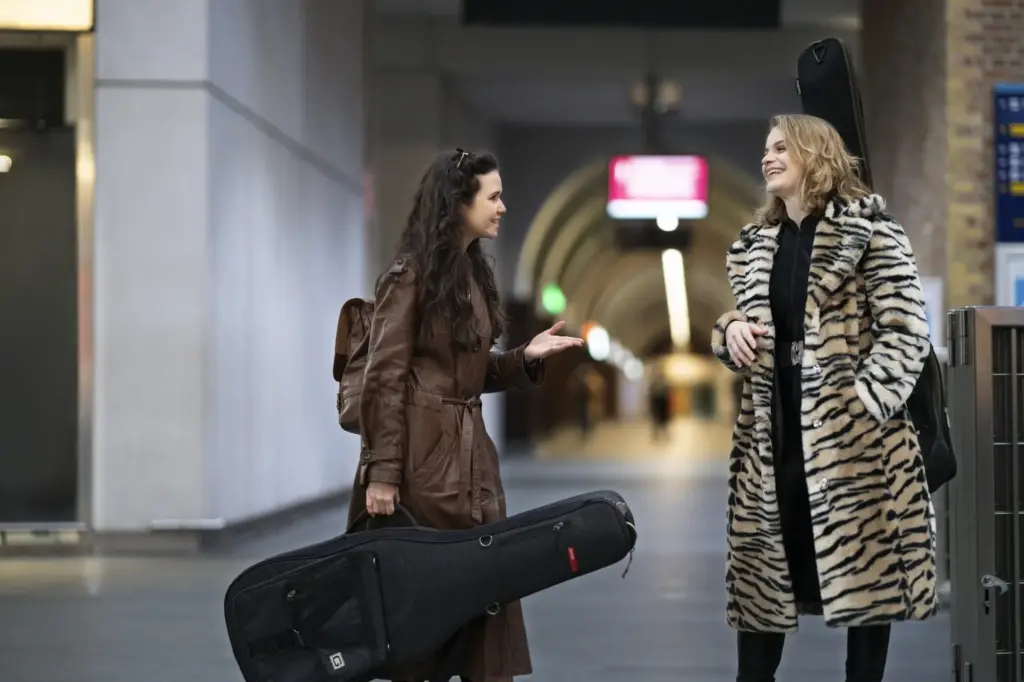
Trade bulky strollers for carriers in towers, and follow staff advice for gentler gradients. Many sites publish wheelchair‑friendly circuits and virtual rooms. Take frequent rests with stretches and water. Teaching slow feet to scan surfaces prevents slips, while shared pacing transforms climbs into victorious, story‑rich ascents.
Restrooms, Feeding, and Quiet Corners
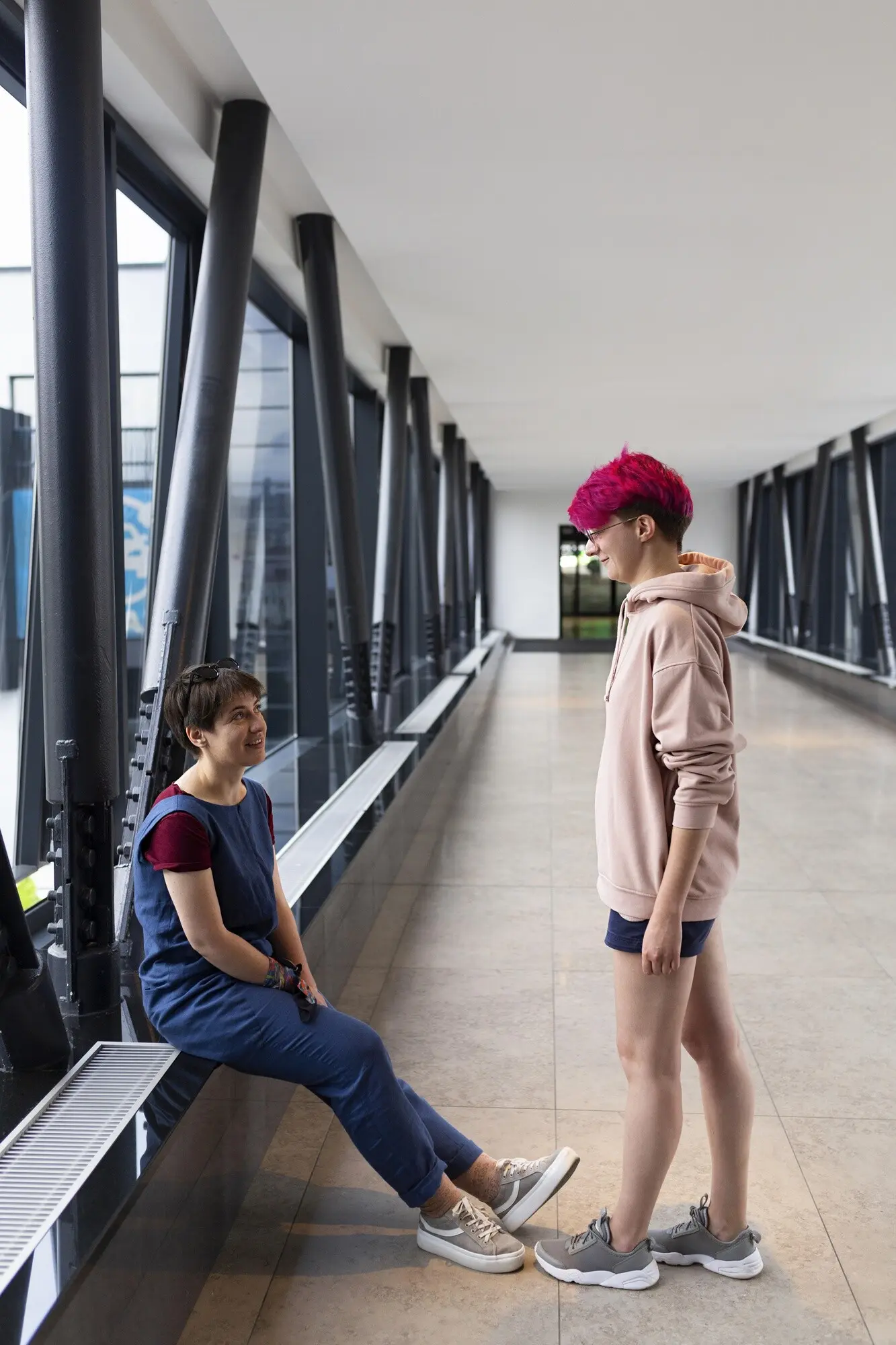
Mark nursing spaces, baby‑change rooms, and step‑free toilets on your map before arrival. Identify calm chapels, gardens, or museum alcoves for sensory breaks. Schedule micro‑pauses around tour times, and bring a compact blanket. Rested, regulated children savor stories more deeply and keep spirits buoyant between platforms.

When Things Go Off-Script
If a train is missed or a thunderstorm barges in, breathe together and pivot. Ask station staff for reroutes, turn delays into sketching time, and keep emergency numbers handy. A pocket game, spare socks, and humor usually rescue morale faster than perfect plans ever could.